-
Shakespeare, Sir Thomas More and the Strangers’ Case
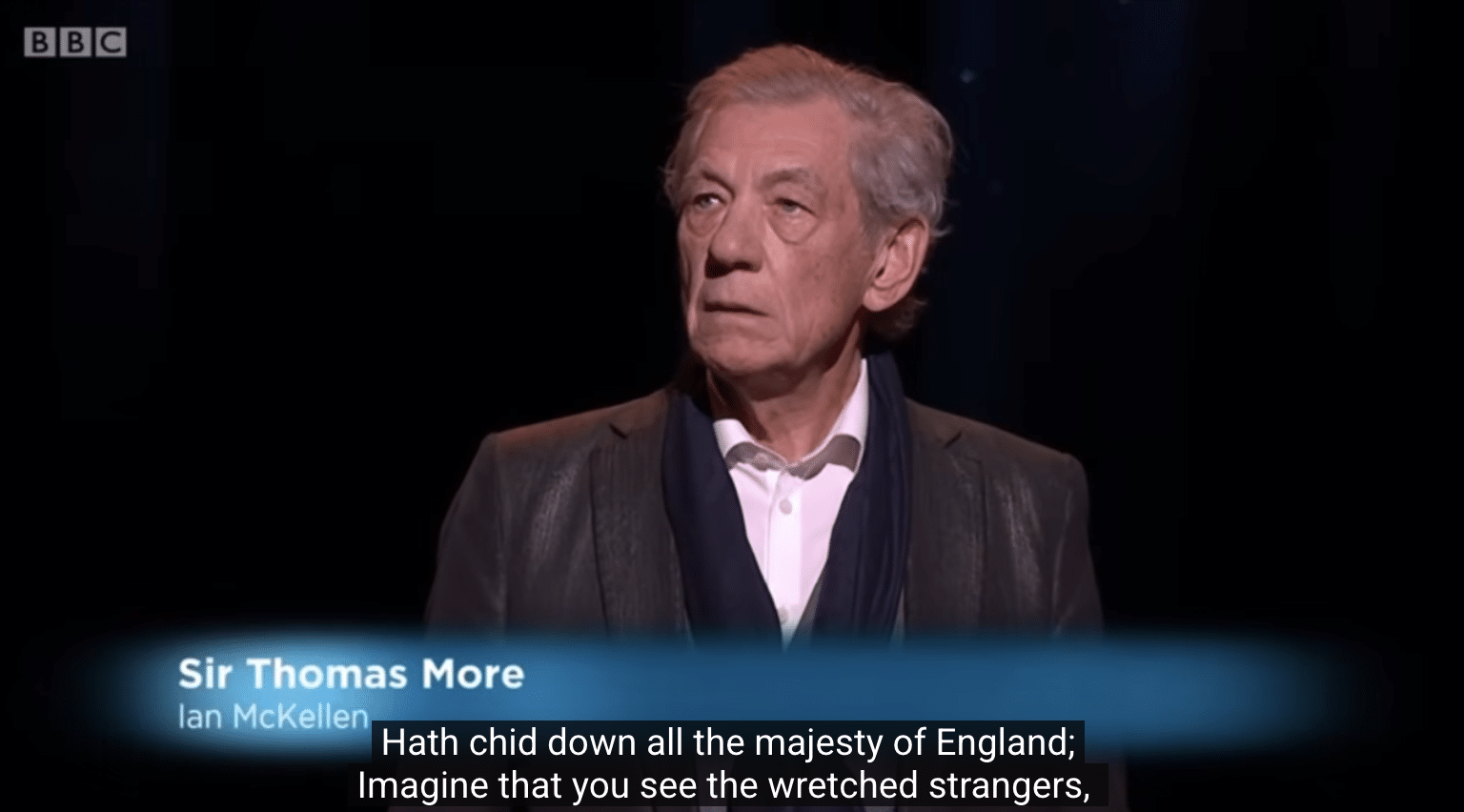
Shakespeare writes about race. A lot. Othello and The Merchant of Venice are just the best known examples. Most regard Shakespeare’s writings as humanising the ‘other’ — the stranger among us. Yet his plays portray the kinds of prejudices and hatreds that today we call racism. His pen portrait of Iago, the villain in Othello, is a master pen portrait of the true ugliness of racism. A passage which is generally attributed to Shakespeare (see sources below) is perhaps the only substantial manuscript handwriting of the playwright which has survived until today. The passage appears in a play known as the Booke of Sir Thomas More. It is an Elizabethan…
-
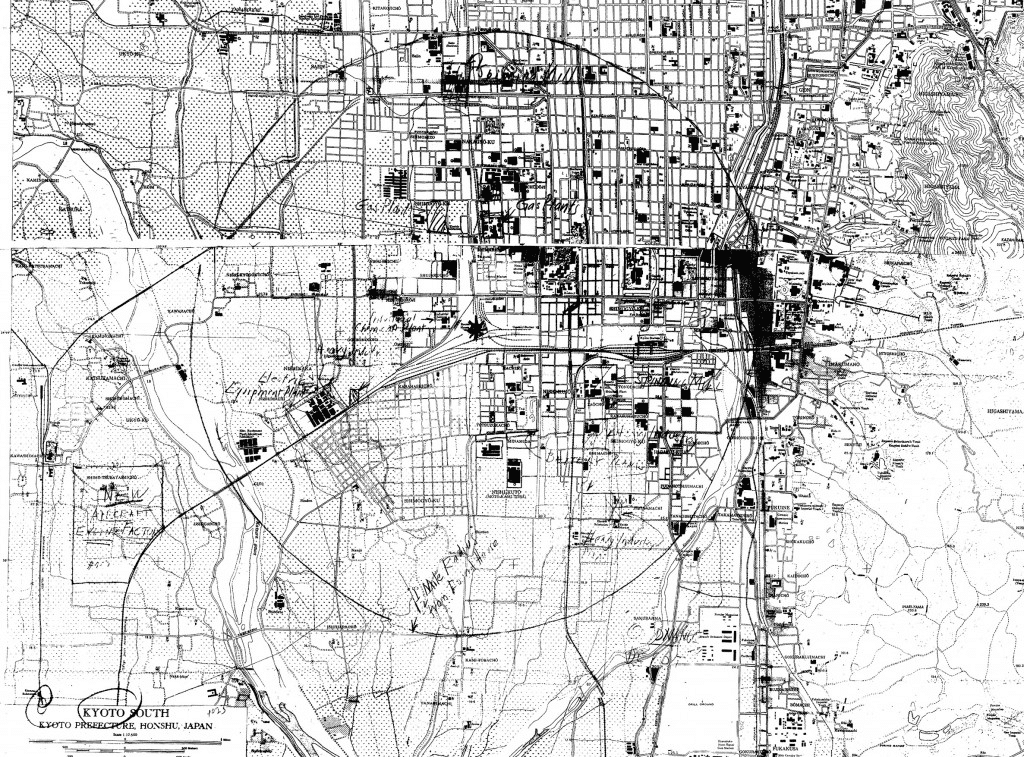
Kyoto spared the bomb because
Kyoto spared Spared, it is said, Because Of a second honeymoon trip For Stimson, who crossed it off the list. Kyoto, first, became last Spared, protected, never bombed. Off the list Of nuclear targets That much is fact. No fire fall. No mushroom cloud. No blazing firestorm. No human ashes Falling from the sky Kyoto because Of graceful hidden gardens Like the painter who stepped Into his painting, Only in reverse. Kyoto because once Imperial capital, capital of culture it remains, Home to a million souls. Kyoto because Of Sakura blossoms On the banks Of river Kamo. Silver and golden temples And endless Shinto gates – mirrored frames On the path…
-
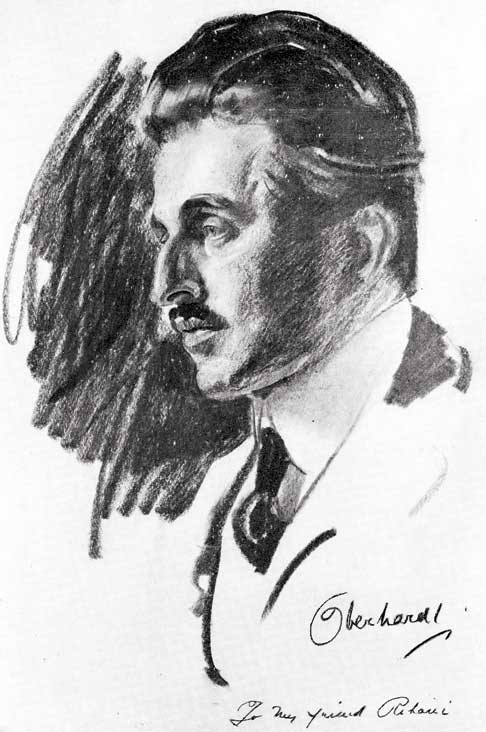
Ameen Rihani – from A Chant of Mystics and Other Poems
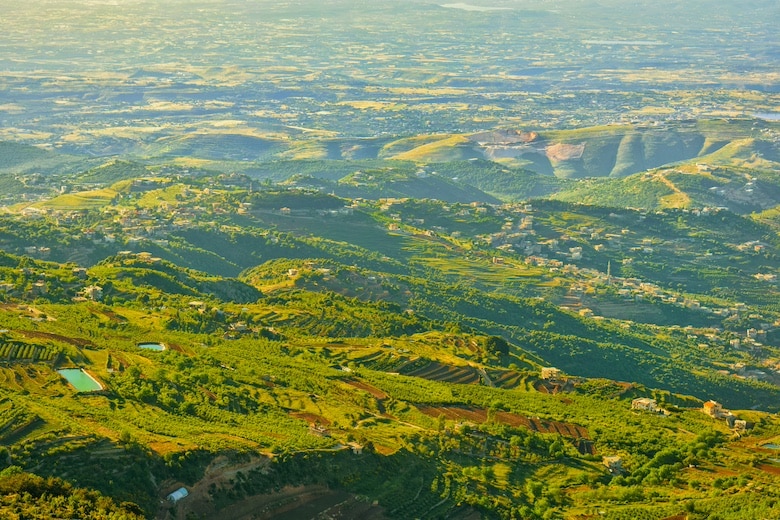
Ameen Rihani was an emigré Lebanese poet who wrote in English and Arabic. Like Kahlil Gibran and May Ziadeh, who were well known to him and his contemporaries, Rihani was one of the leading poets of the Arabic Renaissance (Nahda), particularly among the Mahjar poets – that is Arabic speaking poets who emigrated to the Americas. They broke with traditional Arabic poetry – exploring new forms and new themes. Those new themes reflected their situation as exiles in a different world. Among them was a universal humanism, an example of which we see in Rihani’s poem below, which was part three of the poem “A Chant of Mystics“.* It is…
-
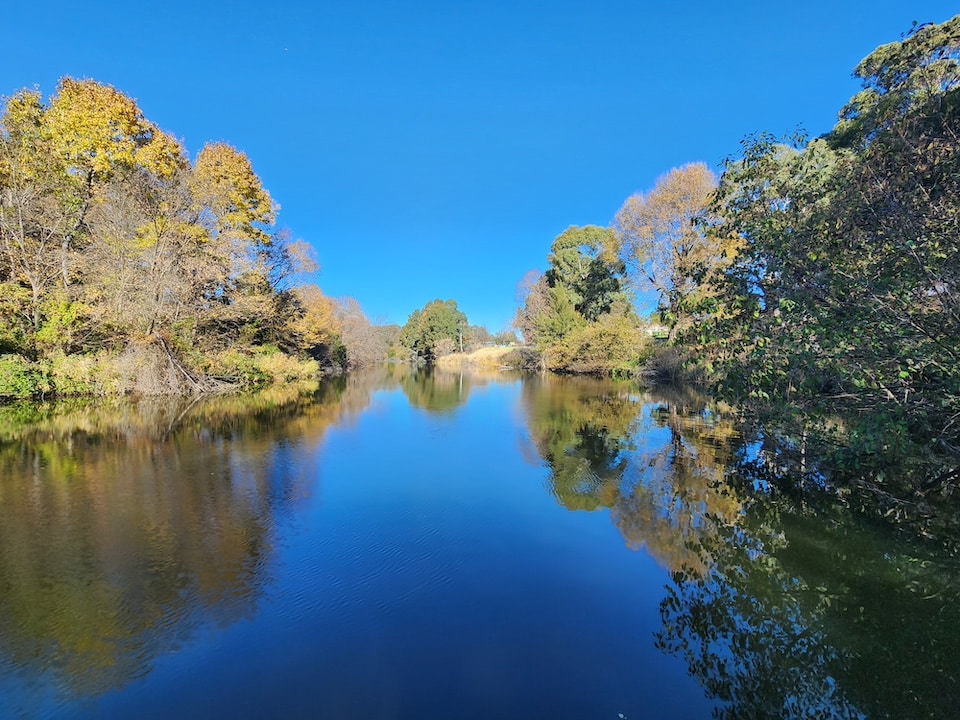
Down by the Queanbeyan River
Down by the Queanbeyan River Sulla Sponda del fiume di Queanbeyan A river too is like a library, Its banks like storied shelves, Its memories written on water, And in the nearby land. Anche un fiume è come una biblioteca, Le sue rive come piani di scaffali, Le sue memorie scritte sull’acqua, E sulla terra vicina. The suspension bridge still bounces like it always did, And on each end the obelisks Painted brilliant white, Hold up the spiralled cables, Steeled taught across the gulf, Across the space between one world And that which is beyond. Il ponte sospeso dondola ancora come sempre faceva, E su ogni lato gli obelischi Dipinti…
-
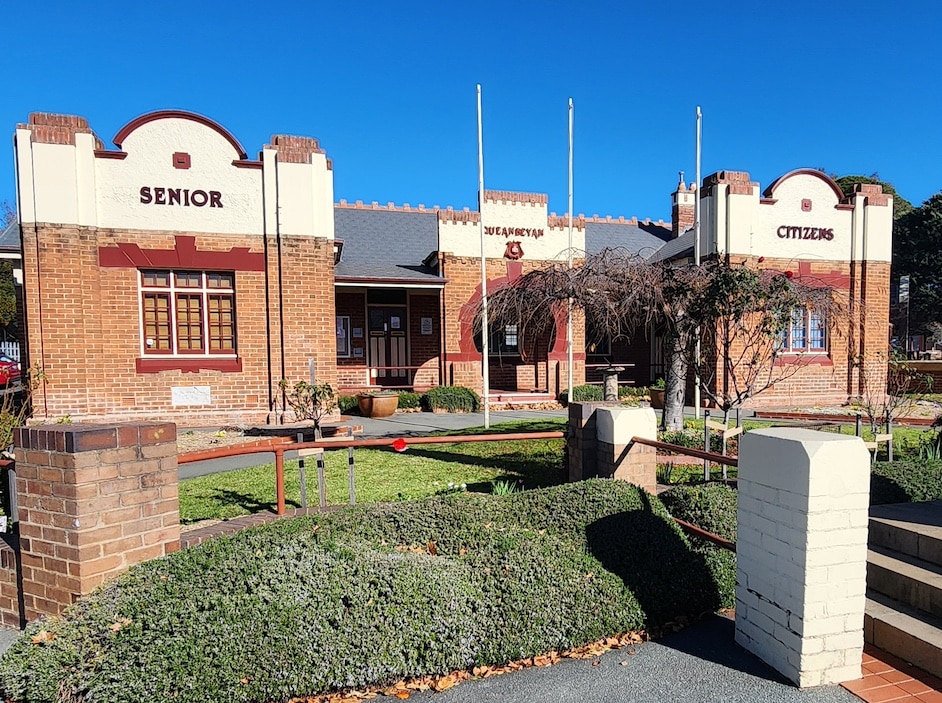
A Visit to the Queanbeyan Library
When I first visited the Queanbeyan Library, it was housed in the old council chambers. After that, it moved from place to place, and is now housed in a multistorey plexiglass building. The earliest memory I have of the library is borrowing a picture book version of the story of Ulysses. It was illustrated with beautiful coloured illustrations of the characters and the stories. I had spotted it behind the glass counter on the return desk and the librarian kindly processed it, with the old fashioned ink stamps then used, so that I could borrow it. La prima volta che sono andato alla Biblioteca di Queanbeyan, era ospitata nelle vecchie…
-
Bagpipes over the Arboretum drift up to the hill
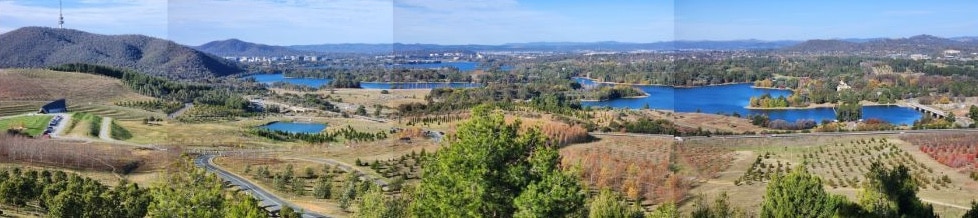
This poem was inspired by a visit to Canberra’s arboretum. It is a beautiful gift to the city by visionary leaders who rather than opening up the land for development, wanted to create a public park open to all Canberrans and an arboretum, which the city did not yet have. Like almost all the people of Canberra, the forests of the arboretum (there are a hundred) come from far away. Many are species endangered in the homelands. On any fine Canberra weekend the arboretum fills with walkers and families enjoying the beautiful scene. Autumn is particularly special as many of the individual forests don their autumn hues. However this poem…
-
Desdemona’s Tears rain down for another than she
In recent times, I have been working both on translating May Ziadeh’s poetry and publication of Cinthio’s Desdemona: The Story that Inspired Othello. With both their stories on my mind, I thought to write the poem below. In this poem, I follow Cinthio’s version of Desdemona’s story, rather than Shakespeare. The figure of Scheherazad appeared in my commentary for Cinthio’s Desdemona. The reference to Cassandra honours May Ziadeh’s own poetry, which itself draws on ancient Greek mythology. I have published translations of three of May’s poems: Eyes, the Child and I, and Where is My Country? Desdemona’s Tears Le lacrime di Desdemona [In memory of May Ziadeh] [in memoria di…
-
May Zaideh’s poignant country lost and found
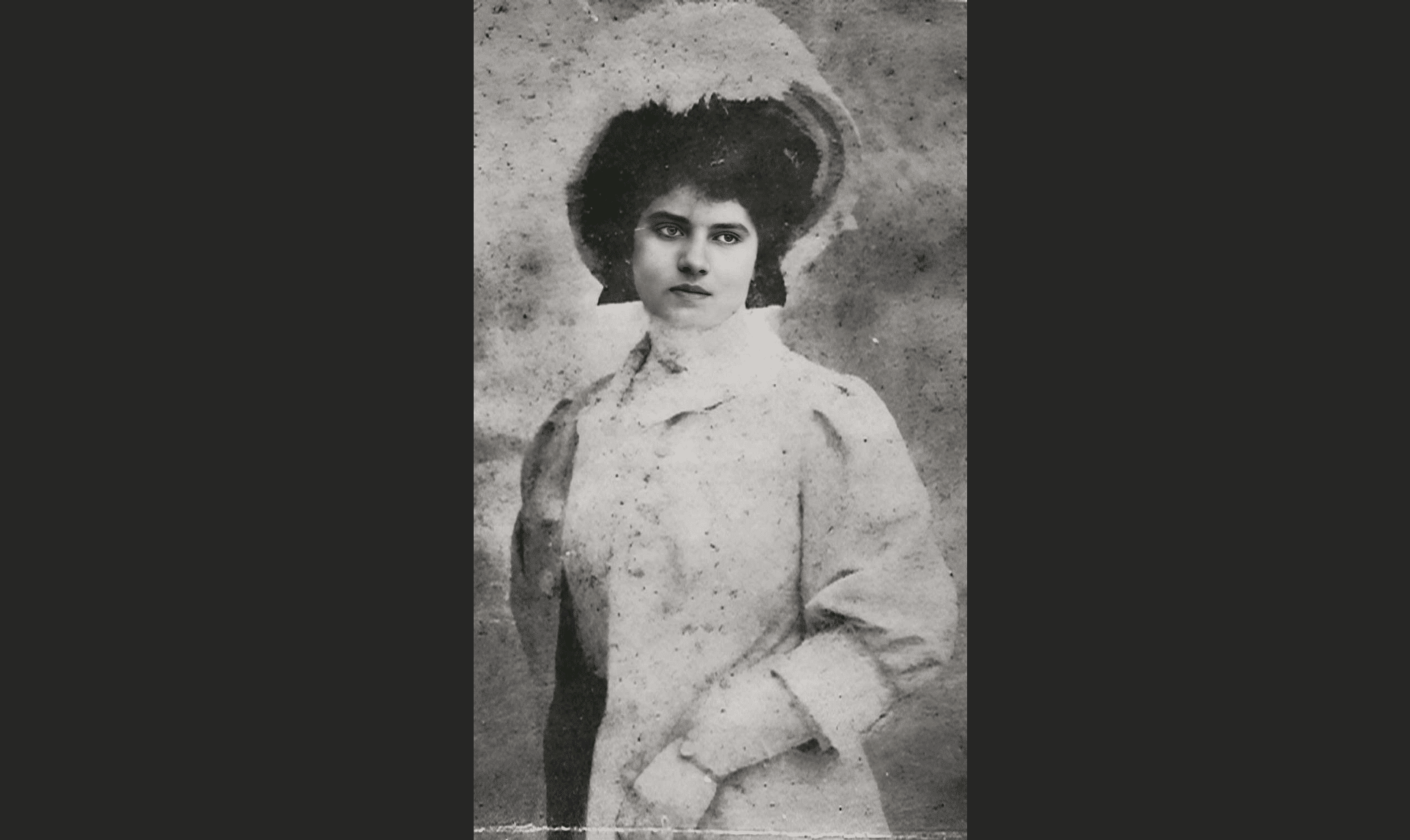
Of the many cruelties of colonialism, one of the worst was the dissection of colonial possessions as colonialism came to an end. That dissection left lasting wounds which are yet to heal in many parts of the world and the lines drawn on maps in the interests of in faraway capitals still plagues the destiny of millions. May Ziadeh’s life was marked by that kind of history; that kind of geography. This article is dedicated to her poem “Where is My Country?” (عين وطني) published in her collection Shadows and Light (ظلمات وأشعة). The poem is presented below in its original Arabic, with my English translation. May Ziadeh was born…
-
Echoes of Other Tongues
The poem below plays with language and voice. Recently I have been publishing poems in bilingual form: an original accompanied by a translation (English-Italian or English-Arabic). My poem below experiments with blending language and meaning into a single whole. La seguente poesia gioca con la voce e con la lingua. Di recente ho pubblicato poesie bilingue: un originale con una traduzione (inglese-italiano o inglese-arabo). Questa poesia prova a fondere due lingue e significati in un singolo insieme. In Andalusia, when Arabic was still the language of government and literature, writers did not confine themselves to one language, but could mix Romance and Arabic or Hebrew together. Muwashah poetry (a particular…