
-
Words fail me …
Words fail me … they fail to bridge the vast divide, The towering Babel that trims human pride. Strange that words, the very vessel of friendship, Should so offend the Gods they tied our tongues. Parole fail me, yes parole fail me too, What prompting of the heart does that word solicit? Or Kalimaat, with its frail curls and elegant lines and points, What affinity or aversion – or simple incomprehension? Non trovo parole … non sanano l’immenso abisso, La torreggiante Babele che riduce l’orgoglio umano. Strano è che parole, il vero strumento d’amicizia, Hanno così offeso gli dei che ci hanno legato la lingua, Words mi deludono, sì, words…
-
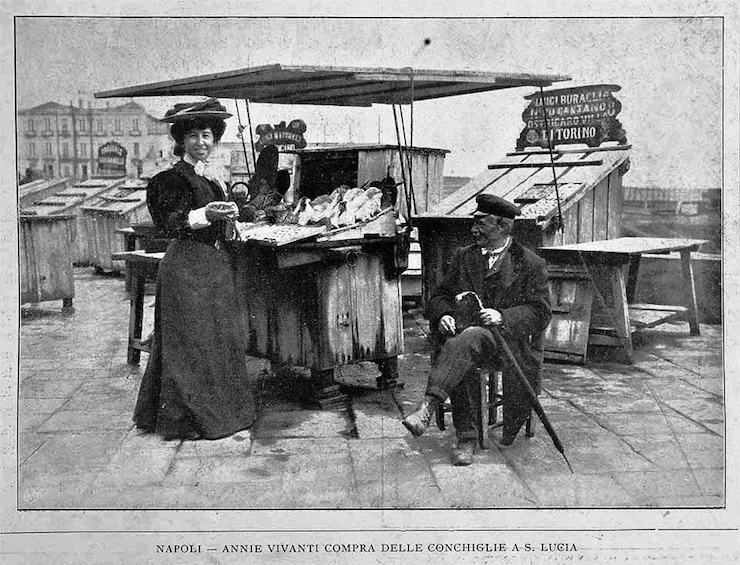
Annie Vivanti – What is your country and what your faith?
Annie Vivanti was a celebrated writer in her own day, and her works were translated across Europe. Her poem “ego” (used in the sense of “I”), caught my attention. It appeared in her first collection of poems and captures the orientations of youth. She is not yet twenty when she writes it, and she uses it to introduce herself and her poetry. Yet she lives in a world in which she doesn’t fit. The world’s boxes are not designed for her, and the world struggles to find the right pigeonhole in which to put her. As the poem which follows makes clear, it is a process which she resists. Of…
-
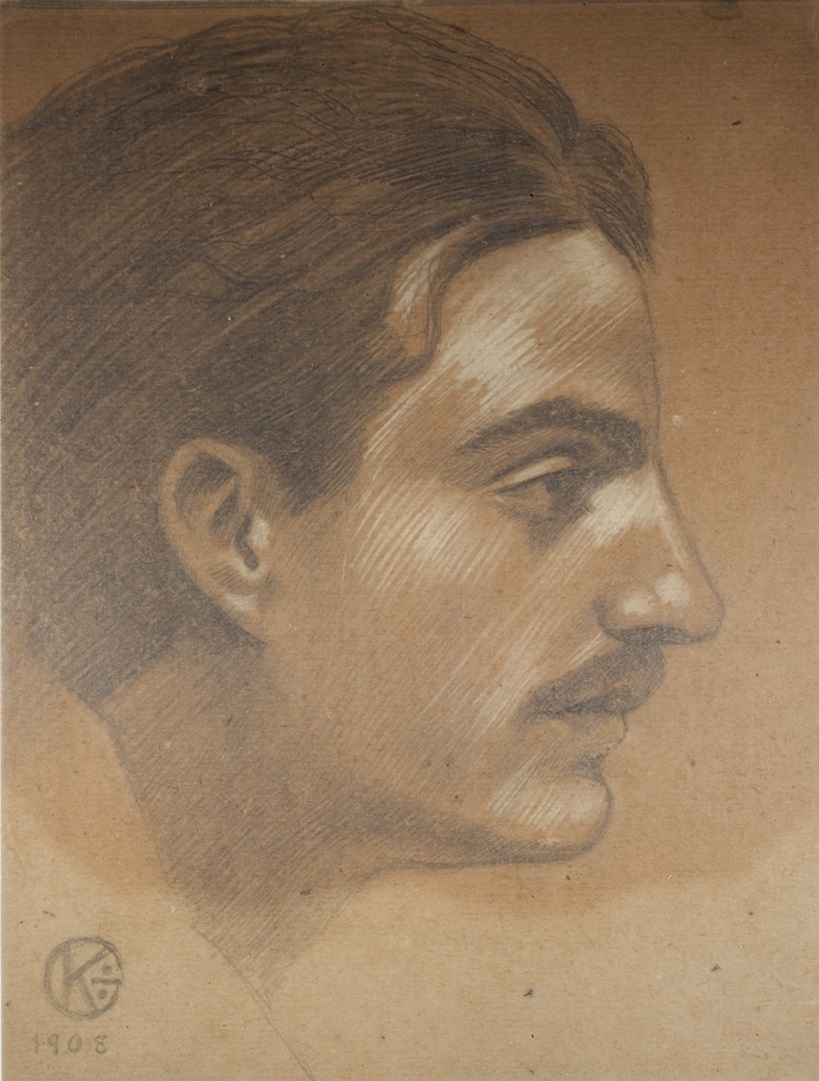
O Night of the lovers … by Kahlil Gibran
Kahlil Gibran, the Lebanese or Lebanese American, poet, is best known for his beautiful epic poem The Prophet. We have owned a copy for many years and it is a pleasure to return to it. I had always assumed that he wrote the Prophet in Arabic, and that what we have in English, is a translation. It was only when I looked for the Arabic ‘original’, that I realised that there were different Arabic versions and, in fact, the English was the original version which he himself wrote. It is remarkable for a poet to be as talented in an adopted language as in their mother tongue. That was the…
-
Walt Whitman – His Yearning and Ardent Poetry
The celebrated American poet, Walt Whitman, lived from 1819 until 1892. It was a tumultuous time of change in the United States; an epoch which is reflected in his poetry and in his hopes for the future of America. Two of his poems – poems reaching for a better world – appear below. They are presented both in original and in Italian translation. Il celebre poeta americano, Walt Whitman, visse dal 1819 al 1892. Era un’epoca tumultuosa e di cambiamento negli Stati Uniti; un’epoca che si riflette nella poesia di Whitman e nelle sue speranze per il futuro dell’America. Due delle sue poesie – poesie che cercano un mondo migliore…
-
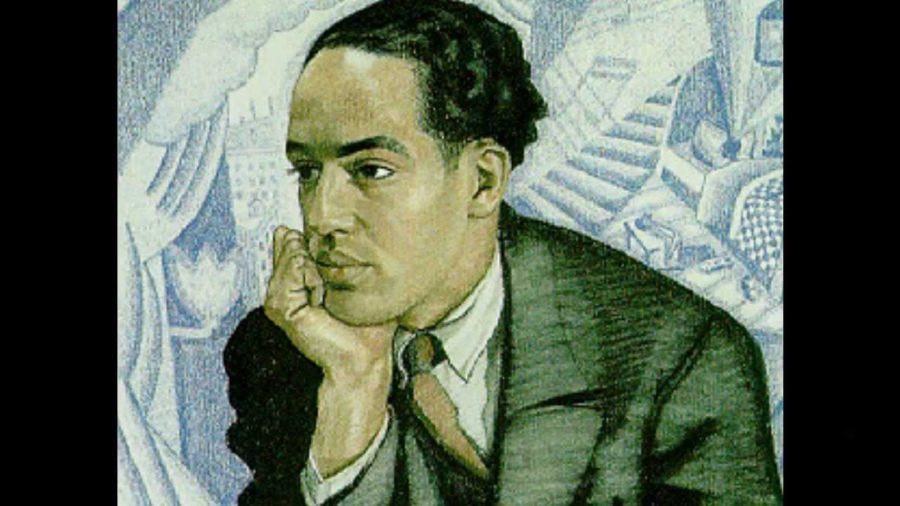
Langston Hughes – poet and prophet in translation
Some years ago I wrote an article about Langston Hughes and his poetry. Here I would like to present Italian translations of some of his poetry. The first is a brief epigram. The second is an extract from his poem Let America be America again. The third is I Dream a World, a poem which he included in his opera Troubled Isola. Qualche anno fa ho scritto un articolo su Langston Hughes e la sua poesia. Qui vorrei presentarne una traduzione italiana. La prima è un epigramma breve. Il secondo è un brano dal suo poema O, che l’America di nuovo America sia. Il terzo è Sogno un mondo, un…
-
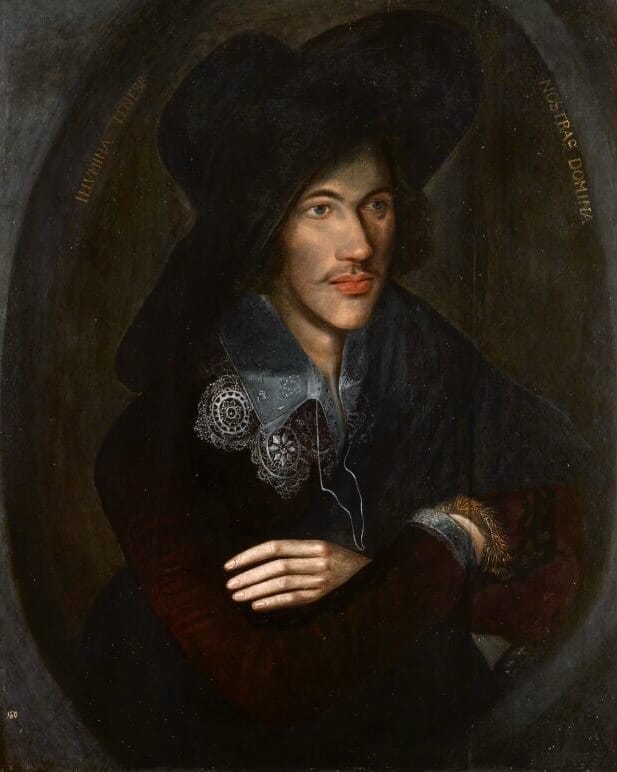
John Donne’s For Whom the Bell Tolls: with translation
John Donne’s passage For Whom the Bell Tolls is most familiar to audiences of our time through Ernest Hemingway’s novel of the same name, set in the Spanish civil war. John Donne’s words are often understood today as a poem (and they are indeed poetic). However they come from a book of devotions, and a longer contemplation on the meaning of the bell. John Donne lived in seventeenth century England. The tolling of the bell was a constant reminder of the call to prayer, and when in 1624 he wrote the passage, John Donne was Dean of St. Pauls (then one of the highest offices of the Anglican church). Il…
-
Mary Gilmore – Nationality, a Response and a Little Ghost
Australian poet, Dame Mary Gilmore (1865-1962) was knighted for her services to literature and feted for her work. She was born in Goulburn and educated near Wagga Wagga. She became a teacher in 1883 and joined the ‘New Australia’ movement, a colonial settlement in Paraguay, inspired by social utopianism. Disillusioned and by then married, she returned with her husband and child to Australia in 1902. She began writing for the Australian Worker from 1908, contributing on social and economic issues. In 1938 she was appointed a Dame. During her life she published both poetry and prose in numerous works. Her war related poetry enhanced her fame, including the patriotic poem,…
-
Salvatore Quasimodo: Uomo del mio tempo – Man of my time
Uomo del mio tempo Man of my time Sei ancora quello della pietra e della fionda,uomo del mio tempo. Eri nella carlinga,con le ali maligne, le meridiane di morte,t’ho visto – dentro il carro di fuoco, alle forche,alle ruote di tortura. T’ho visto: eri tu,con la tua scienza esatta persuasa allo sterminio,senza amore, senza Cristo. Hai ucciso ancora,come sempre, come uccisero i padri, come ucciserogli animali che ti videro per la prima volta. Still, the stone and sling rest easy in your handMan of my time. There you were in the cockpit,on wings of evil, casting meridians of death,I saw you — in your wagon of fire; at the scaffold,Standing…
-
Giacomo Leopardi’s Il Sabato del villaggio – Village Saturday
La donzelletta vien dalla campagna, In sul calar del sole, Col suo fascio dell’erba; e reca in mano Un mazzolin di rose e di viole, The maiden returns from the meadows, At setting of sun, Bringing her bundle of herbs; and in hand, A garland of roses and violets, Onde, siccome suole, Ornare ella si appresta Dimani, al dì di festa, il petto e il crine. And, as is custom, The next day, she prepares and adorns For the festival, her breast and her hair. Siede con le vicine Su la scala a filar la vecchierella, Incontro là dove si perde il giorno; E novellando vien del suo buon tempo,…