Michael Curtotti's Author Website

"No lines sector off the sky so high above, though all the nations of the Earth be bound about with borders."

  • Books and Interviews
  • About
  • Latest Articles
  • poetry
  • Shakespeare Begins
  • Books and Interviews
  • About
  • Latest Articles
  • poetry
  • Shakespeare Begins

No Widgets found in the Sidebar Alt!

  • Don Paolo: the Making and Unmaking of a Dragon (Il Drago Part 3)

    In this third instalment of Il Drago by Luigi Capuana we learn how Don Paolo became “Dragone”. Who is this fearsome old man who chased the children away when they begged in the streets? And took them in, in what all said was a miracle?  And how was it that the Dragone was unmade? The Making and Unmaking of Don Paolo Dragone by Luigi Capuana (translation: Michael Curtotti) It had been years and years that the Dragon had lived alone in his tenement, doing all for himself. Two large rooms on the ground floor, and four smoky rooms on the first floor. For one person it would have been more than ample,…

    read more

    You May Also Like

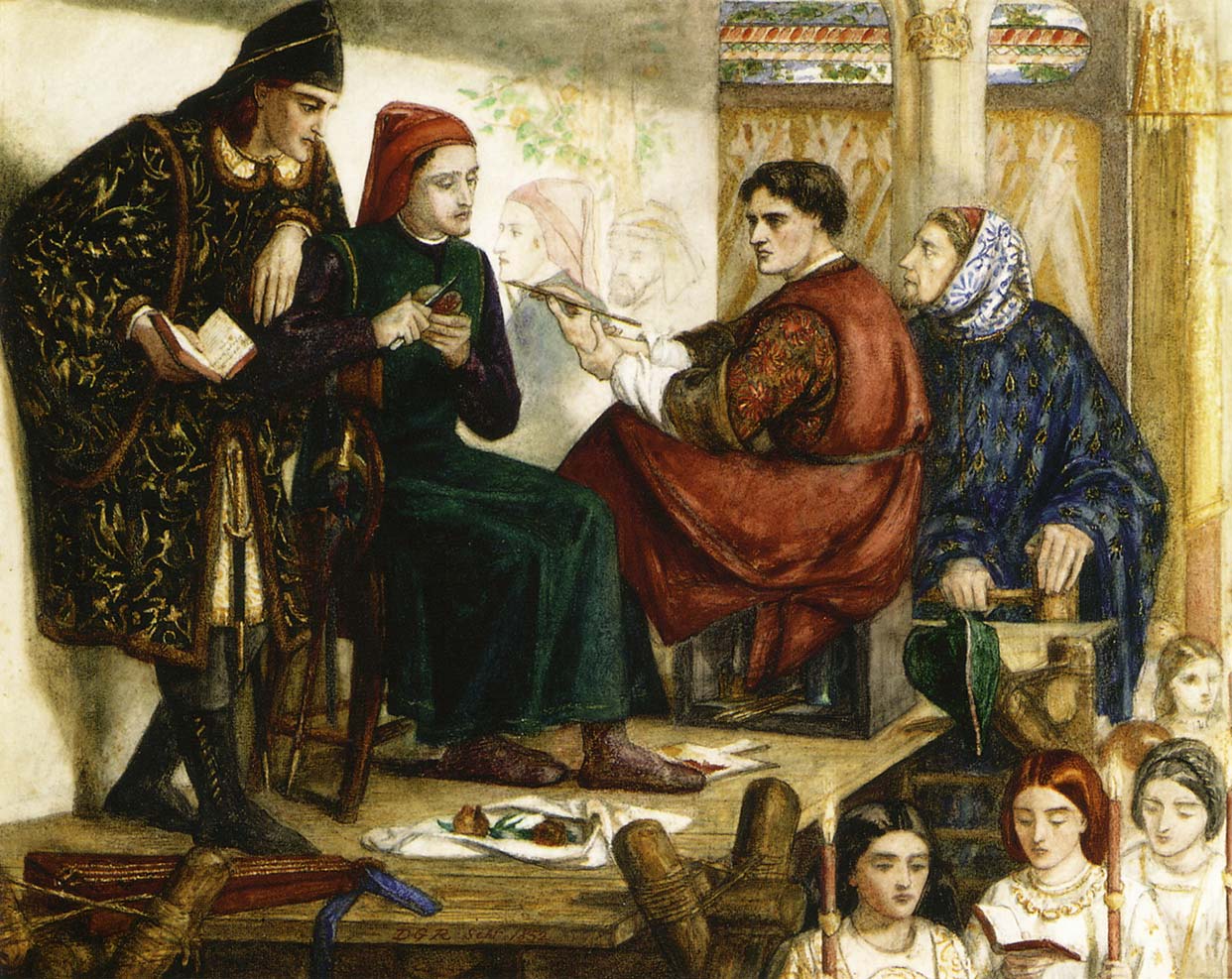
    Dante’s New Love Life: the Vita Nuova

    April 15, 2019

    Giosuè Carducci and Miramar Castle

    June 22, 2020

    Laura Terracina: For Who is Enemy to Woman

    May 27, 2019
  • tomato in italy

    The Tomato Conquers Italy

    The tomato is central to Italy’s love affair with food. For Italy was conquered by the tomato. It was a slow conquest, but transformed by the tomato, Italian food conquered the world. This story, so little known, is told in full in David Gentiloni’s 2010 book, Pomodoro! A History of the Tomato in Italy. Like all good tales, it has unexpected twists and turns. The Context: A Food Culture Of course Italian food does not live by tomato alone, so we need a little context. The health benefits of the “Mediterranean diet” are often noted and Italian food has been adopted around the world. Food in Italy (as in many parts…

    read more

    You May Also Like

    Emperor Frederick II, the Wonder of the World and the Art of Falconry

    February 18, 2020
    Cristina in blue dress stands side on looking down and averting her gaze from Peppino Fiorillo who stands watching her intently in the distance. Cristina's hand grips her parasol tightly. She has a hat and her hair is braided down her back. From Matilda Serao's work Cristina

    Matilde Serao and the Life of Cristina

    February 2, 2020

    Italy’s Rapunzel, Cinderella and other Italian Fairy Tales

    September 16, 2019
  • Dante and the Invention of the Italian Language

    “Italians speak Italian”. It seems obvious. Yet not too long ago neither were there any “Italians” in the way we understand it today; and nor was there a single “Italian” language. It is indeed little known that when the country of Italy did finally come into being in 1861 about 2.5% of her people spoke what we today call Italian. Even up until 1951, less than 20% of Italians used Italian exclusively in their daily life. Indeed, until the most recent generations, Italian was, at best, a second language for most Italians. Their first language was their regional, and often local, language. The Italian National Institute of Statistics reported that…

    read more

    You May Also Like

    Lingering in Limbo: Dante’s Inferno

    June 28, 2019

    Luke Whitington: an Australian poet with an Italian heart

    October 19, 2023

    Luke Whitington: un poeta australiano con un cuore italiano

    October 19, 2023
  • arrival of agriculture italy

    Ancient Italy: The Arrival of Agriculture and the People from the Sea: 6000BC

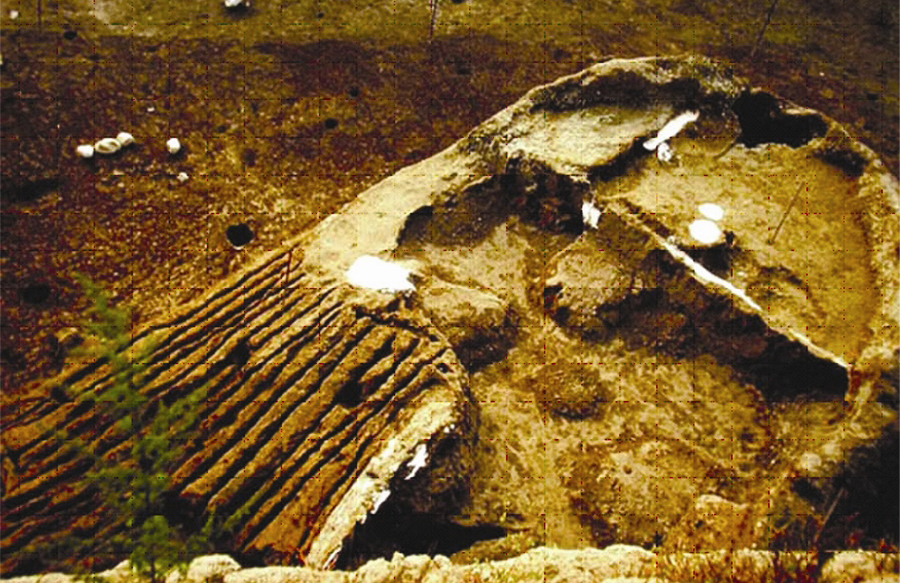
    In ancient times the mountainous spurs of the Apennines ran down Italy’s spine and the Alps were piled at its northern end much as today. But if we had been present in the ancient neolithic we would have seen an Italy which was unlike anything we know today. The coastline would have been somewhat different, although that would not have been the most dramatic difference. Italy was blanketed with forests and this part of the world was wetter than it is today. It is 6000 BC; an era in which people from the sea arrived and brought with them agriculture. Millennia later Vesuvius would erupt. But the arrival of agriculture…

    read more

    You May Also Like

    The Lost Cities of Ancient Apulia – South-East Italy

    July 16, 2019

    The Fifty-Three Known Forefathers of the Italian People: Latest Discoveries

    December 6, 2018

    Of Villages and Vesuvius: 1800BC

    September 3, 2018
  • faith of our mothers

    Our Lady and the Faith of our Mothers

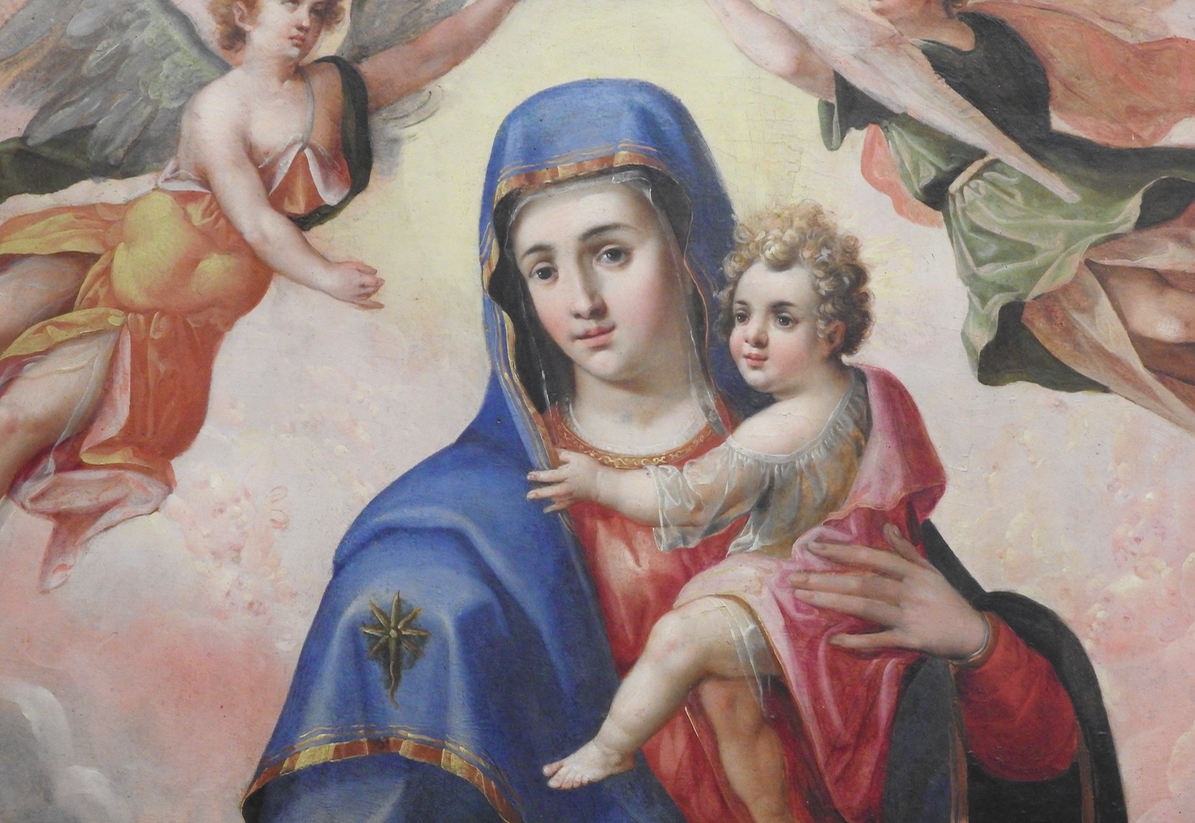
    No visit to Italy is complete without endless opportunities to enter and be awestruck in Italy’s innumerable churches and shrines. And any visitor from an English speaking country (where less embellished models predominate) is likely to be struck by the prominent presence of the Virgin Mary in these places of worship. Not only is she present; she appears as a representation of the spiritual world in many different guises and roles. Many places of worship are specifically dedicated to her in these different manifestations. The names these places bear give a sense of the diverse roles she plays. She presides over the local “Chiesa Madra” (the Mother Cathedral) of many…

    read more

    You May Also Like

    Lingering in Limbo: Dante’s Inferno

    June 28, 2019

    Commentary – Who am I to Speak to You of Italy

    August 12, 2019

    Matteo Bandello’s Forgotten Tale of the Tragic Lovers Romeo and Juliet

    March 9, 2023
  • Il Drago and Luigi Capuana’s search for redemption

    Luigi Capuana was a nineteenth century writer. His work, The Old Dragon (Il Drago), although an apparently light children’s story, carries a poignant loss and search for redemption. In a strange way the story is a “might have been” of Luigi Capuana’s life and of the children he never admitted as his own. Luigi Capuana, Giuseppina Sansone and their children Giuseppina Sansone is central, although whether she is portrayed in the story is debatable. She is a love of much Luigi Capuana’s life. He met her at age 37 and she was an unmarried partner for the next twenty years. She is almost entirely invisible, while he is a noted Italian…

    read more

    You May Also Like

    Students and teachers of Tarbiyat Girls school - gender equality

    Women and Men Have Been and Will Always Be Equal

    April 26, 2017
    badasht and seneca falls

    1848 – The Year of Two World Changing Conferences

    July 1, 2017

    Laura Terracina: For Who is Enemy to Woman

    May 27, 2019
  • Forgotten crimes and the sack of Rome

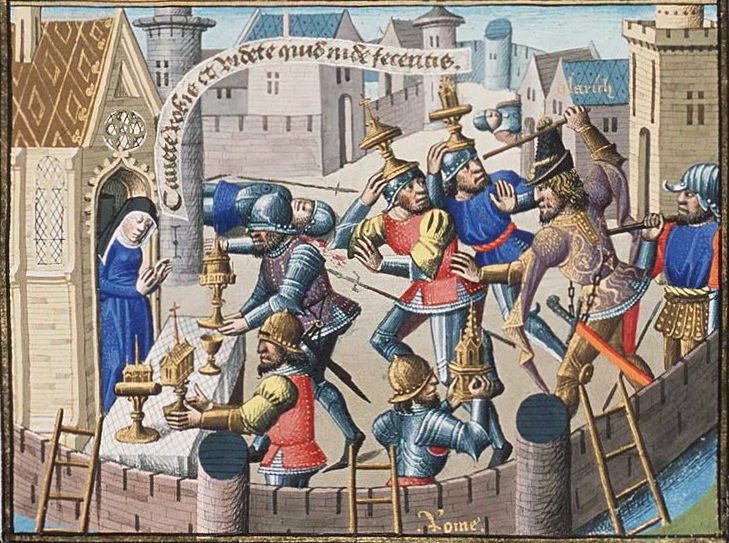
    The sack of Rome in 410 AD hastened the emergence of a new post-Roman world and eventually, over the course of fifteen centuries, the birth of the country we now call Italy. The tale that has come through to our time of that sacking is one of uncivilised pagan German tribes – outsiders – tragically tearing down the centre of western civilization. This caricature is inaccurate in many ways. As is often the case, the real story is more complicated. In echoes of our own time, it is a tale of political intrigues and racial divisions. The Roman world at the end of the fourth century was a different place…

    read more
  • Of Villages and Vesuvius: 1800BC

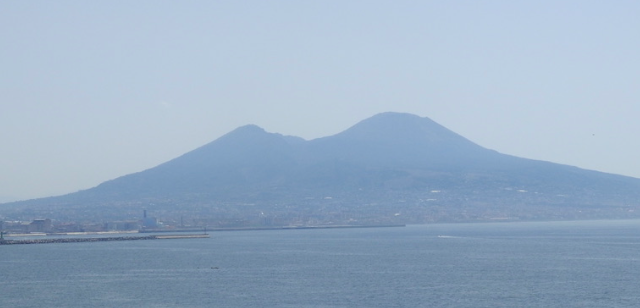
    The ancient mount Vesuvius rises high above the Campanian plain. The plain – a great oval ringed by mountains – stretches north, east and south for hundreds of kilometres. Along its northern edge, the river Volturno, the longest river in Italy, flows to the sea.  Below Vesuvius is a great bay: the Bay of Naples, although it will be well more than a thousand years before new arrivals from the Greek island of Euboea build a city here which will bear that name. We are Italy’s deep past, although the very idea of Italy is yet to be invented. Vesuvius is not the only volcano here. It is part of…

    read more

    You May Also Like

    Dante and the Invention of the Italian Language

    October 8, 2018

    Forgotten crimes and the sack of Rome

    September 13, 2018
    Lacedonia - haystacks in distance. Frank Cancian image

    Lacedonia – Frank Cancian’s Pictures of a Disappearing World

    April 14, 2020
  • Italian Stories: From the Godfather to the Fortunate Pilgrim

    This story is written from Australia: far from Italy. Yet for me these two places will always be connected, for I was born in one and have grown up and lived in the other. It takes some making sense of – this life spread across half a globe. Somehow the neat boxes that society creates – this country here – that country there – find no place in my heart. How can I apportion my left ventricle to one land and my right to another? There is a problem with this tale which parcels out the world in separate lands; for inside my one human body I carry stories from…

    read more
 Older Posts
Newer Posts 
Copyright © 2026 Michael Curtotti. This is a publication of Aldila Press.
Ashe Theme by WP Royal.