-
Romeo and Juliet Go Down to Egypt
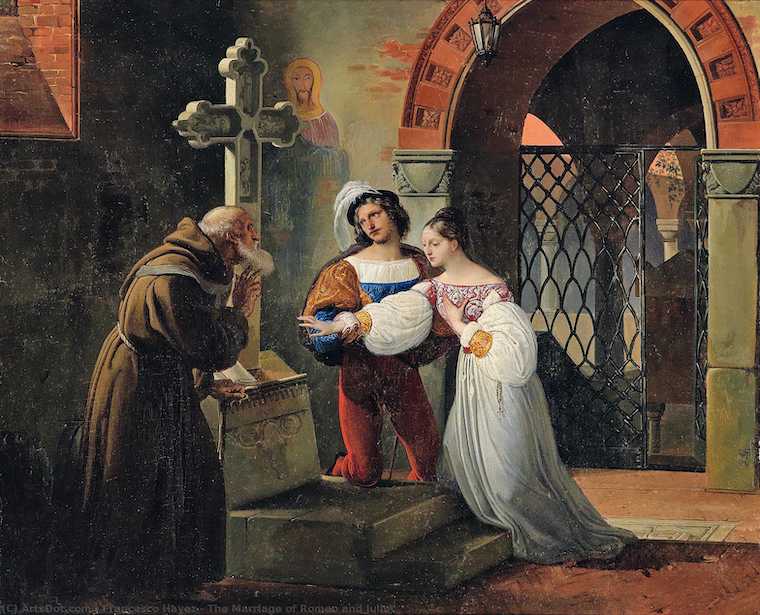
As far as we know, the first recognisable version of Romeo and Juliet was written by Masuccio Salernitano, or, by his proper name: Tommaso Guardati. (His nickname just means: “Tommy of Salerno.”) In 1476, when he wrote his version of Romeo and Juliet, he didn’t use the names we now know today. Yet even though he calls the lovers “Mariotto and Gianozza,” and they lived in Siena instead of Verona, it’s clear these lovers are Romeo and Juliet. The journey from Masuccio’s tale to that of Shakespeare passes through several versions. First, Luigi da Porto took the story and put it in Verona. He gave the lovers the names we…
-
What an Italian novella really taught me about Shakespeare …
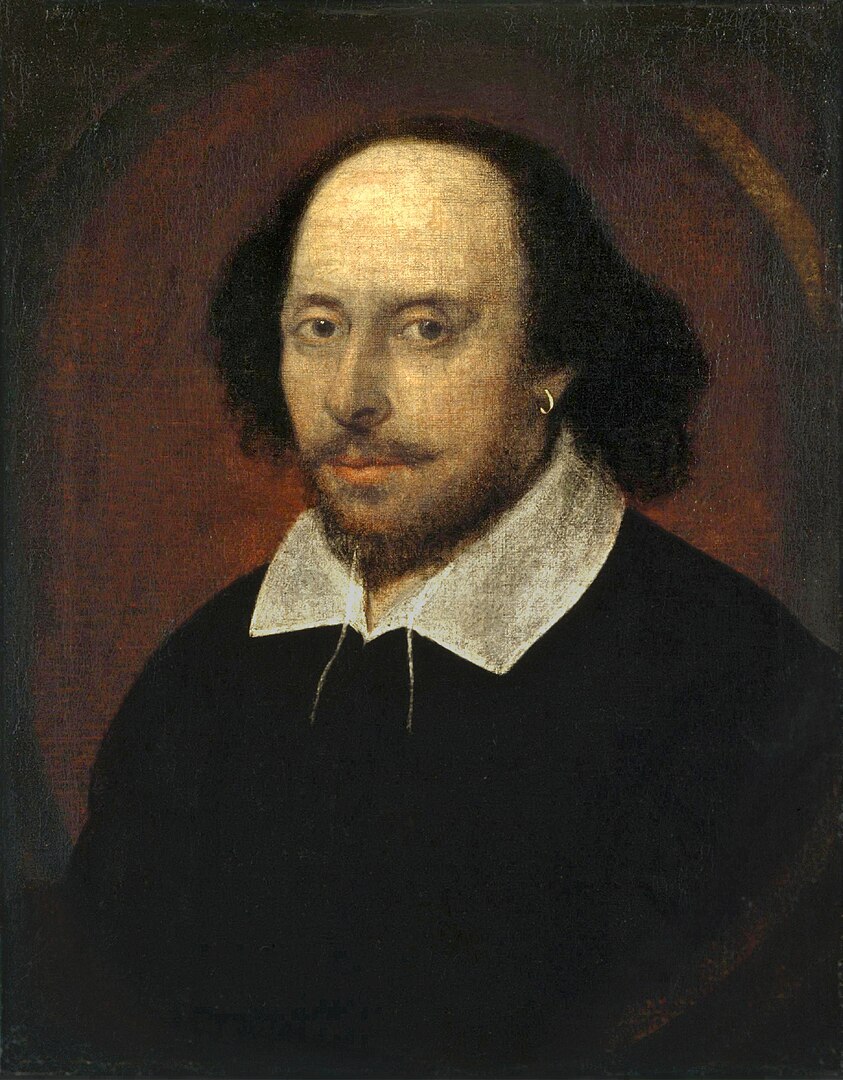
It’s a strange place to look, you’d think. Shakespeare is an English poet. No … He is the English poet. So surely there would be little to learn about him in an Italian story, particularly one written before he was even born. But that’s the great thing about taking a turn down the side roads of history. You never know what you’ll discover. Earlier I wrote an article titled: It’s Funny, but Shakespeare is Teaching me Italian Stories. This is a complement and looks at the relationship between Italy and Shakespeare from the opposite direction. But where to begin? That maybe there was a grain of truth in a Groats-worth…
-
Ekphrasis on Ekphrasis: Haegue Yang’s Changing From From to From
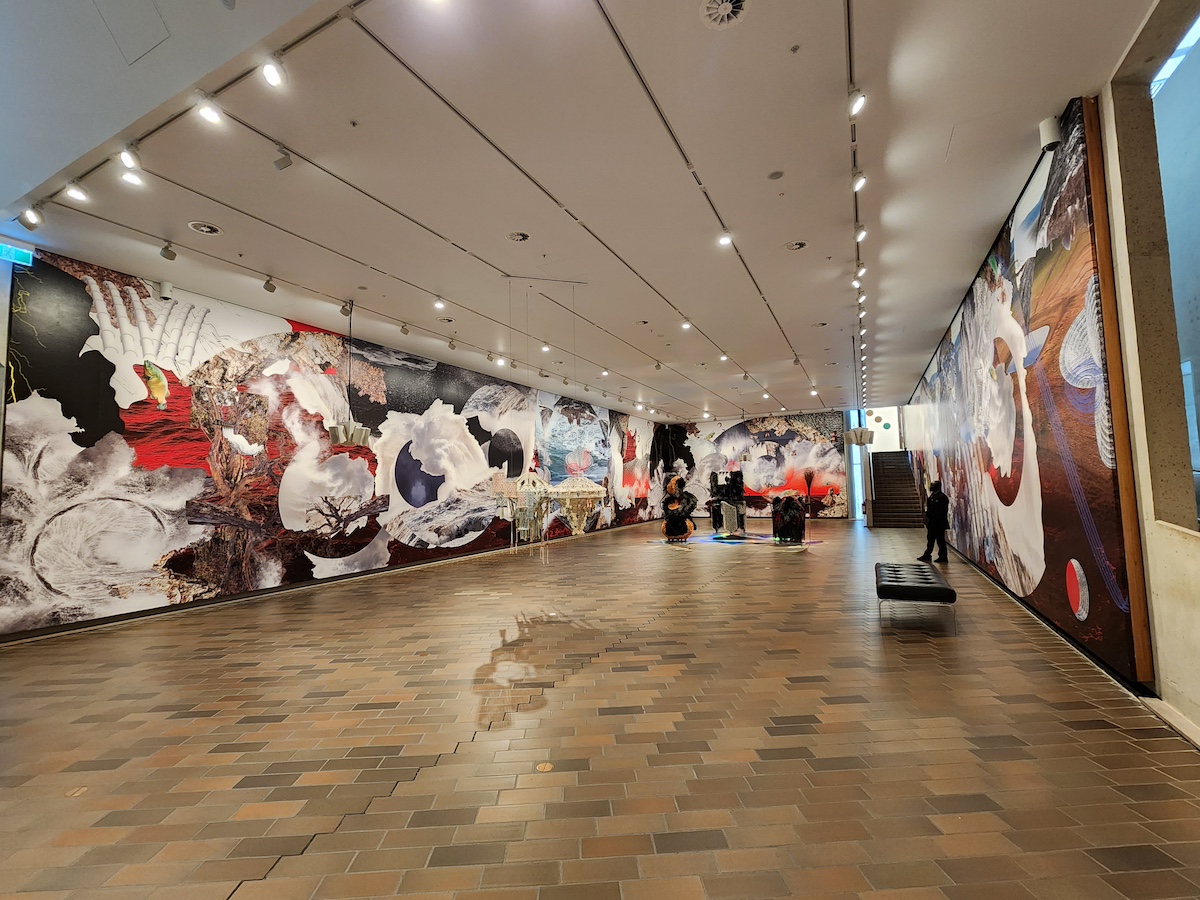
This poem recalls a visit to the National Art Gallery of Australia, as part of a workshop run by Theodore Ell on writing poetry. The art works of the gallery were to be the subject matter of our poems. The technical term for creating a literary work from visual art is ekphrasis. After some time wandering through the gallery I found Haegue Yang’s art work “Changing From From to From”. This work, it turned out, was itself a kind of ‘ekphrasis’ from a poem by Li-Yuan Chia – a poem about migration. My own poem thus attempts new poetry inspired by art inspired by poetry: hence Ekphrasis on Ekphrasis. Hague…
-
New Release: Matteo Bandello, Romeo and Juliet: A New English Translation by Michael Curtotti
Matteo Bandello, Romeo and Juliet: A New English Translation by Michael Curtotti. In English only, and English-Italian Parallel Editions. Everyone knows the star-crossed lovers, Romeo and Juliet, but few know that almost the entire plot of Shakespeare’s play comes from a story written by the Italian monk Matteo Bandello. Bandello’s Romeo and Giuletta novella has now been brought back to life in a fresh and modern English translation. Michael Curtotti, an Italian Australian writer living in Canberra, says he worked on the new translation to help bring to light the forgotten origins of the play. “I watched Shakespeare in Love on a flight to Italy and while it’s a great…
-
Luke Whitington: un poeta australiano con un cuore italiano
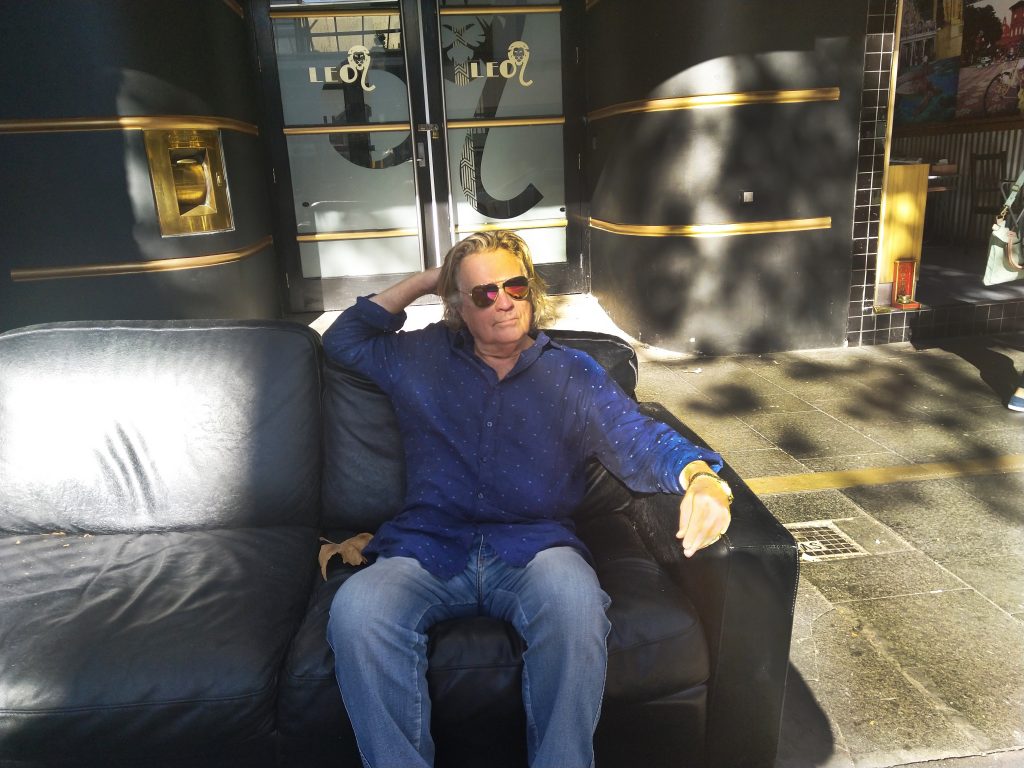
Luke Whitington abita a Sydney, ma ha trascorso vent’anni della sua vita in Italia. Quegli anni hanno lasciato un senso di mancanza incancellabile nella sua vita che trova espressione nella sua poesia straordinaria: in questa ritorna più volte alla sua esperienza italiana. Da giovane ha scelto, come dicono gli anglofoni “la via meno seguita” o “battuta” in italiano: Luke abbandonò una carriera al Ministero degli Affari Esteri australiano per intraprendere gli studi della lingua italiana all’Università di Perugia in Umbria. Le sue avventure continuarono a svolgersi, diventando un imprenditore di successo. Lavorò con soci italiani al restauro di edifici del patrimonio paesaggistico dell’Umbria. Il suo percorso lo ha portato in’Irlanda…
-
Luke Whitington: an Australian poet with an Italian heart
Luke Whitington lives in Sydney, but twenty years of his life were spent in Italy. Those years have left an indelible longing in his life which has been expressed in his extraordinary poetry which returns again and again to his experience of Italy. As a young man he chose a path less travelled: leaving a career in the Department of Foreign Affairs and Trade to undertake language studies at the University of Perugia in Umbria. His adventure continued to unfold as he became a successful entrepreneur. Working with Italian partners he restored heritage buildings in the countryside of Umbria. His journey was to take him to Ireland (where he began…
-
We will decide who comes here …
Many years ago now, in Australia, a politician during a election campaign decided to use the chance arrival of a boat of refugees to bolster their chances of success, by exploiting xenophobia. False claims were made that the refugees had thrown their children overboard, and many other things were said. Among them this politician said “We will decide who comes here …”. Many years later, in 2024, I heard the same phrase used by a prominent European politician, also in relation to the arrival of refugee boats. It was a striking echo. Tanti anni fa ora, in Australia, durante una campagna elettorale un politico ha deciso di usare l’opportunità dell’arrivo …
-
An Interview with Dr Francesco Ricatti: Matteo Bandello’s Romeo and Juliet
Recently, I was privileged to speak with Dr Francesco Ricatti, Associate Professor of Italian Studies at the Australian National University who kindly arranged the interview which was intended for his second year Italian language students. Our conversation was about Matteo Bandello’s Romeo and Juliet: the Italian novella that inspired the Shakespeare play we all know. I have embedded the video of the interview below. Also, as time didn’t allow, below are a few further thoughts to further explore Bandello, his life and his writing and particularly his Romeo and Juliet. Matteo Bandello: A Refugee Whose Writings Reached the World Starting with Matteo Bandello’s life, in the video we discuss how…
-
Giustina Rocca of Trani: The World’s First Woman Lawyer?
As we near the end of the nineteenth century, in country after country, we see women breaking through gender barriers. This was true in the law as much as in other fields. Giustina Rocca lived in the fifteenth century. Some say she is Italy’s, or indeed, the world’s, first woman lawyer. She was a native of the beautiful coastal city of Trani in Puglia. The city and local legal profession still celebrate her story. They are not the only ones to honour her. The European Court of Justice has named one of its three buildings the Rocca tower in her memory. However the real story is always more involved than…